
People first. Labels optional.
A dating product makes choices about who belongs long before two people ever talk. What someone is required to select, how they are represented and who they can discover all shape the experience.
Mary Richardson and I built Bindr around a different starting point: people should be able to connect without being forced to define their sexual orientation. The product grew out of a personal need, with the LGBTQ+ community at its center.
Make the idea work in real life.
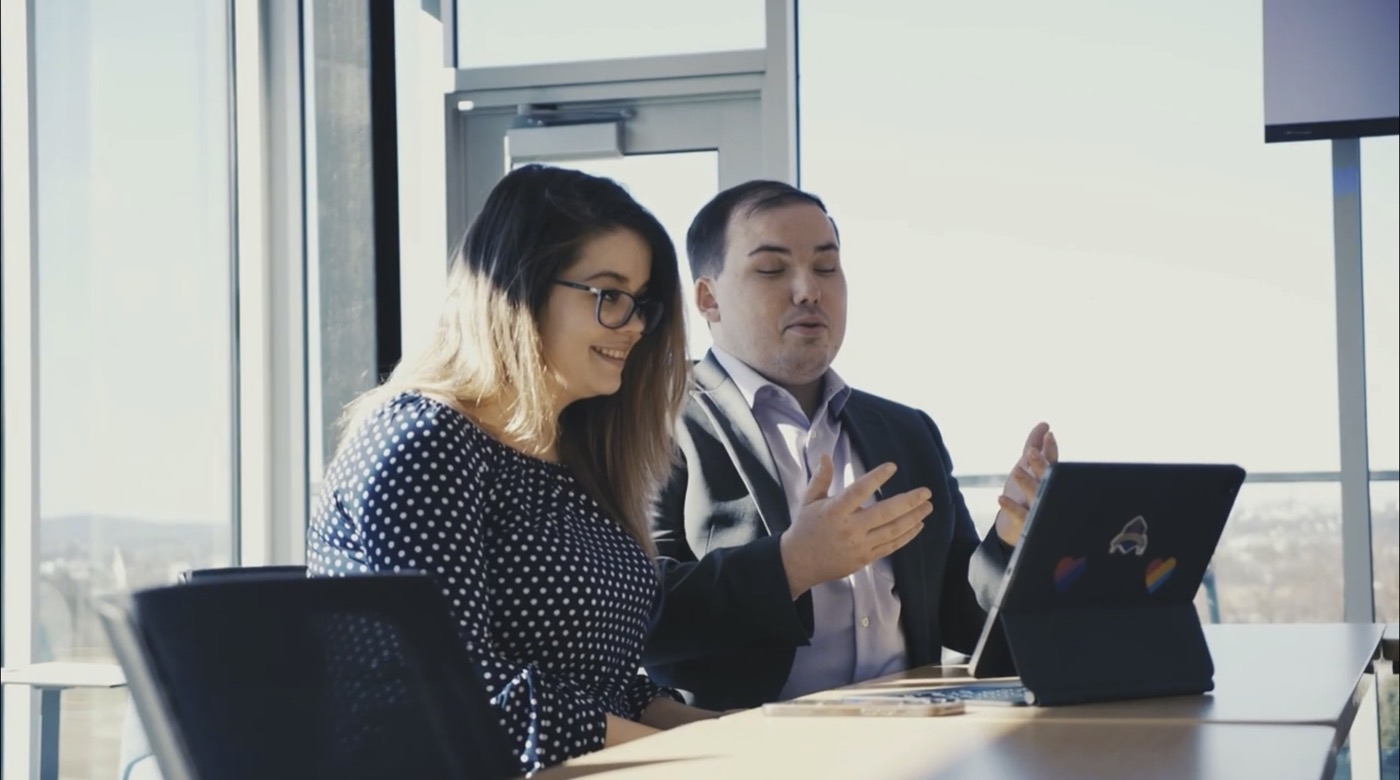
As CTO and co-founder, my focus is turning that mission into working technology. A product only becomes useful when people can actually navigate it, find one another and come back. Engineering decisions and the community experience are connected.
Bindr also brought the building and growth problems together for me. The question stopped being whether I could ship the app. It became how to get the right people to it, how to make the first session feel full, and how the product would need to evolve as they arrived.
The curve bent.
Bindr grew faster than any idea I had built before. That made it a practical education in the distance between a launch, an early community and a much wider audience, and in the difference between people who “check it out” and people who stay.
Bindr now reaches millions of people. The record below shows how it got there.
A public record of the journey
- Penn State’s August 2023 story documented the early days of Bindr and its LaunchBox support.
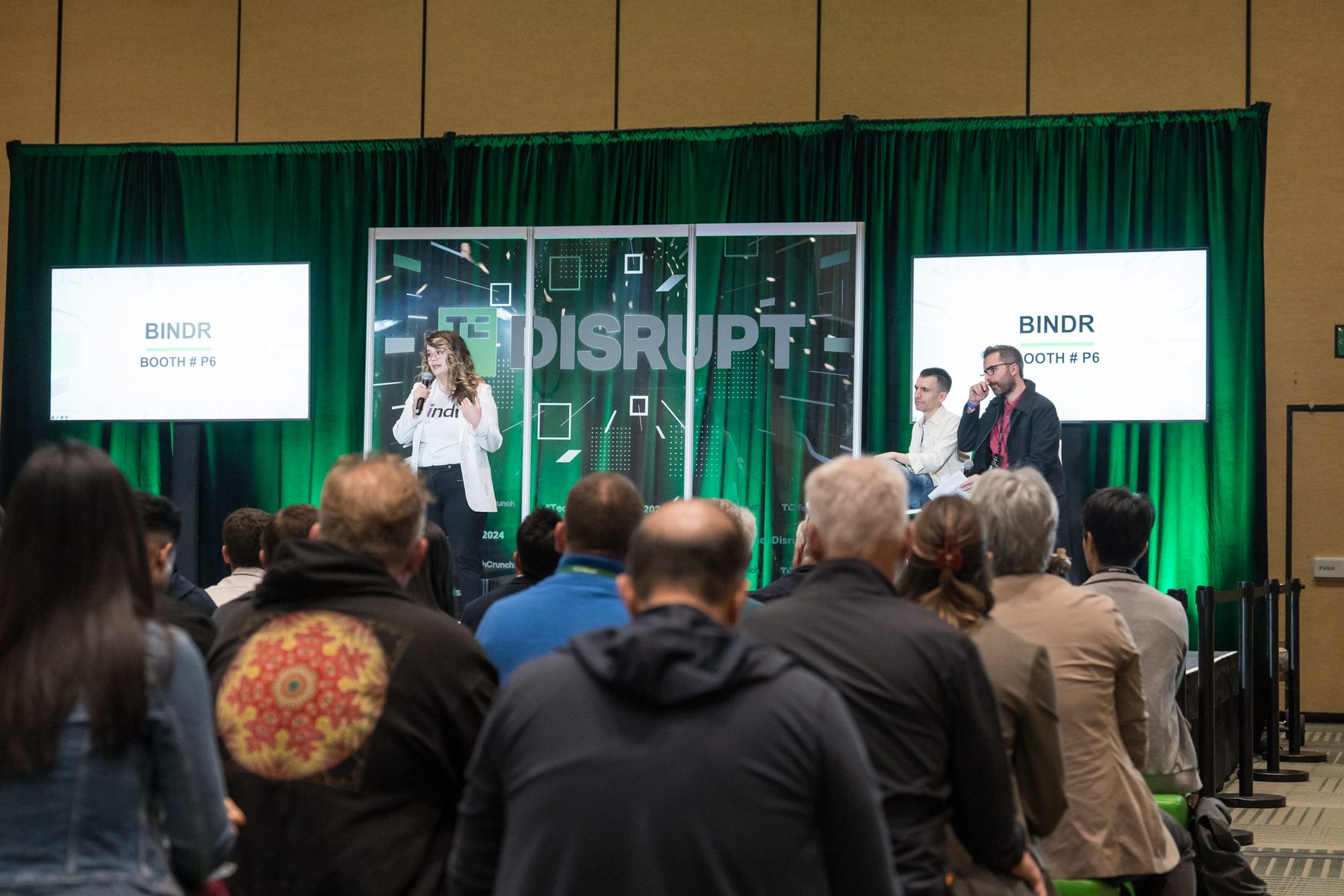
- TechCrunch’s Startup Battlefield directory lists Bindr as a Startup Battlefield 200 company. We pitched on the Disrupt stage in San Francisco.
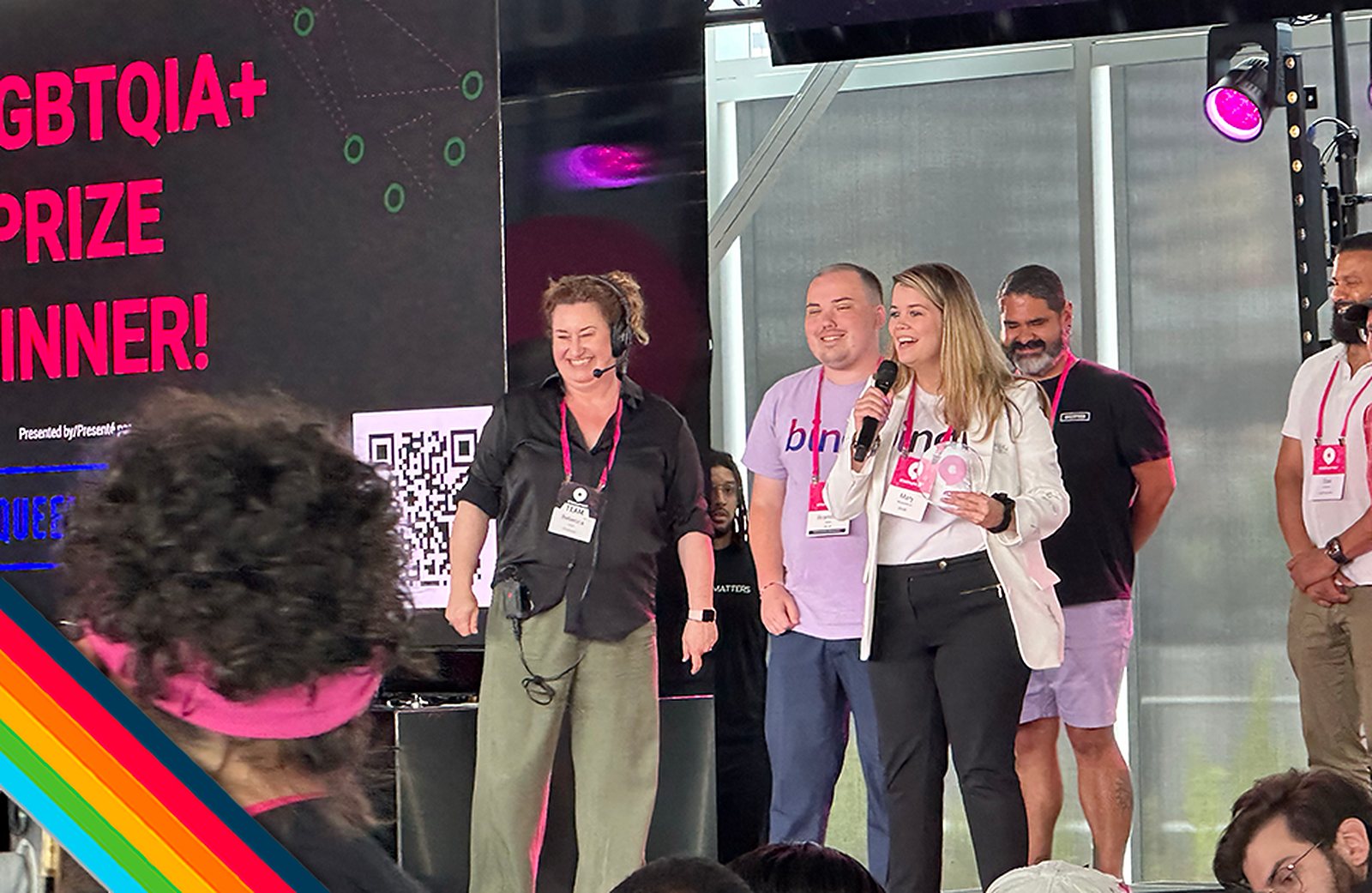
- Bindr won the first-ever 2SLGBTQIA+ Entrepreneur Prize at Startupfest, a $60,000 award and the largest LGBTQ+ pitch competition.
- Technical.ly told the story of how Bindr’s growth problem became ColdStart.
- My 2026 Startupfest profile covers Bindr and ColdStart.
- Forbes’ 2026 guide selects Bindr in its category for bisexual people.
Those milestones describe different points in time. The story is stronger when each one keeps its context.
The next question was bigger.
First, build something people want. Then engineer the reason they show up.
Bindr started with a personal need and became a community. The growth challenge was reaching more people who wanted what we were building, and making the first experience good enough that they stayed. That is the thread I carried into ColdStart.
Continue to ColdStart